
Every writer eventually learns that a story is only as strong as the force pushing against the hero. What I did not understand for a long time is that the force is most frightening not when it is strongest, but when it is reasonable. A villain who simply wants power is a problem to be solved. A villain who wants something you might want too, and who has decided the ends justify a cost you would never pay, is a mirror.
That is the ground WARLOCKS is built on. The organization at its center does not think of itself as the enemy. It thinks of itself as necessary. And for long stretches, on the page, it is difficult to prove them wrong.
Nobody is simply wrong
My whole shelf runs on one conviction: the most interesting conflicts are the ones where the opposing side has a real argument. It is a harder way to write. It means I cannot hand the reader a costume and a sneer and call it a day. Every antagonist has to be allowed to make their case at full strength, in their own voice, without the narrative rolling its eyes behind them.
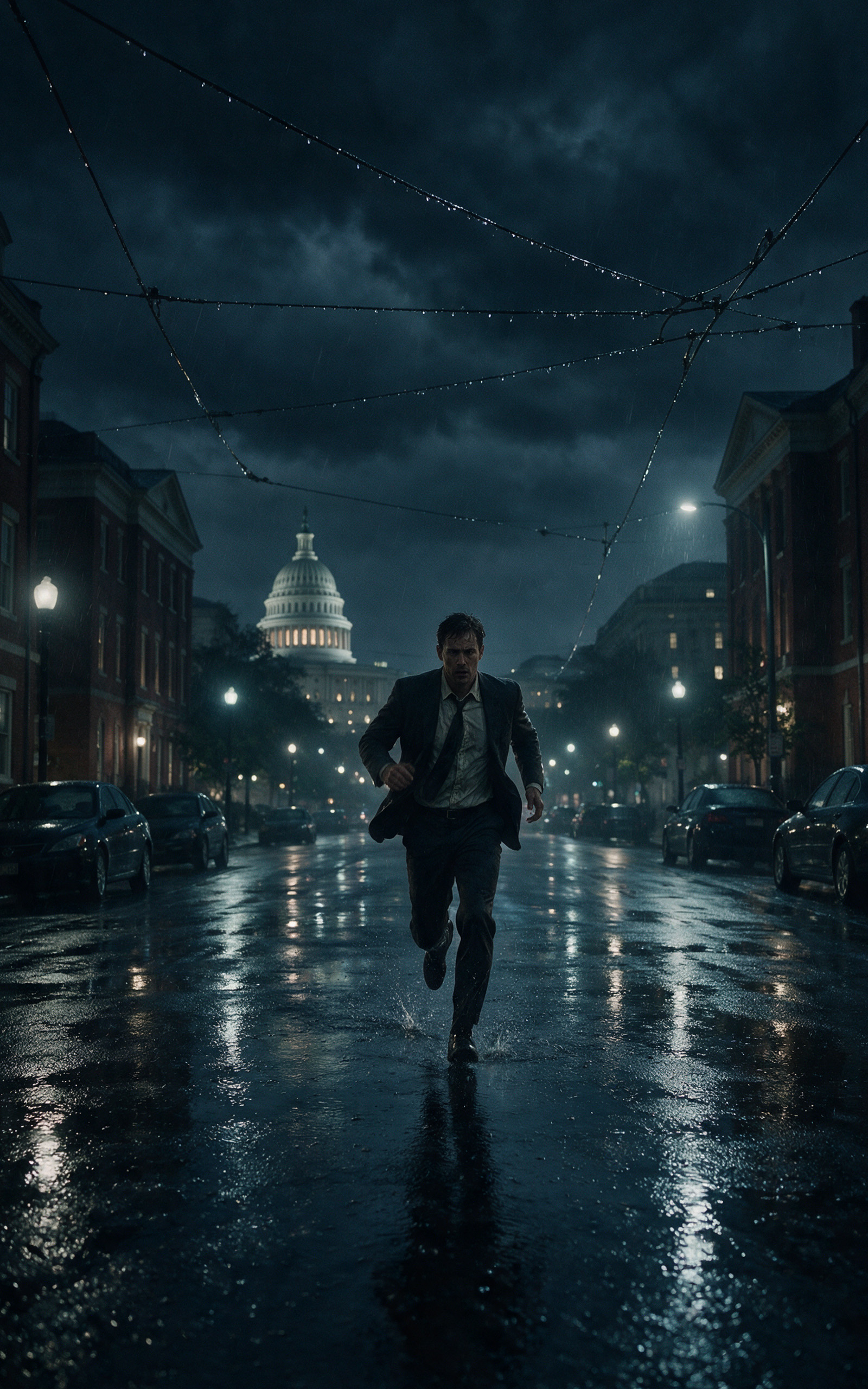
He does not write clean moral universes. He writes the ones that look like the one we actually live in.
The payoff is that when the hero finally acts, the choice costs something. It has weight because the other side was never a straw man. That is the version of tension I chase, and it is the reason WARLOCKS reads the way it does.
Want the full story? The Valensi Chronicles is available direct from the shop.